Emerging Trends in Aluminum Castings and Sustainable Manufacturing
Wiki Article
A Comprehensive Guide to the Conveniences of Using Aluminum From Foundries
Aluminum from foundries presents a variety of benefits that make it a useful material throughout numerous markets. Its light-weight nature adds to cost financial savings in transport and improves overall item performance. Additionally, aluminum's amazing resistance to rust warranties long life and lessens upkeep needs. Nonetheless, the benefits extend past these facets (Aluminum Foundry). Understanding the complete spectrum of aluminum's properties and their ramifications can expose even much deeper insights right into its duty in modern applicationsRecognizing Foundry-Grade Aluminum
Foundry-grade aluminum is a specific product renowned for its outstanding homes and flexibility in numerous applications. This kind of aluminum is commonly produced via regulated spreading procedures, permitting specific control over its composition and microstructure. Because of this, foundry-grade aluminum exhibits premium mechanical residential properties, including outstanding stamina and rust resistance, making it ideal for requiring atmospheres.Along with its architectural integrity, foundry-grade aluminum can be easily built right into complicated shapes, providing developers and engineers with versatility in their tasks. Its ability to endure high temperatures even more improves its appeal for industries such as automobile and aerospace, where efficiency and dependability are essential. Foundry-grade aluminum is commonly recyclable, adding to sustainability efforts. By using this product, suppliers can attain an equilibrium of performance, sturdiness, and ecological obligation, making foundry-grade aluminum a recommended choice for a vast array of commercial applications.
Light-weight Residences and Their Advantages
The light-weight residential or commercial properties of aluminum from foundries supply substantial benefits in various applications. Reduced transport costs can be attained due to the reduced weight, enabling for a lot more effective logistics. Furthermore, the boosted product efficiency derived from using lighter products can result in boosted functionality and customer experience.Minimized Transport Prices
Aluminum's light-weight residential properties greatly add to minimized transportation costs, making it an eye-catching option for numerous markets. When compared to larger products such as steel, aluminum enables lighter tons, enabling cars to deliver more items efficiently. This decrease in weight can lead to substantial cost savings on gas usage, as lighter cars call for much less energy to operate. In addition, the capability to move larger quantities without going beyond weight limits improves logistical performance. Industries such as automobile and aerospace benefit especially from these benefits, as they can optimize shipping procedures and lower overall operational expenses. Subsequently, utilizing aluminum from foundries not just streamlines transportation however additionally supports lasting practices by lessening carbon exhausts related to hefty products transportation.Boosted Item Performance
Deterioration Resistance: A Key Advantage
Aluminum from foundries offers exceptional rust resistance, primarily as a result of its natural oxide layer. This safety coating types when aluminum is exposed to air, protecting against additional oxidation and deterioration. As a result, items made from aluminum can exhibit resilient resilience, making them optimal for different applications in tough settings.All-natural Oxide Layer
The all-natural oxide layer that develops on aluminum surfaces functions as a necessary protection against deterioration. This thin, transparent barrier creates when aluminum is exposed to oxygen, successfully protecting the underlying metal from different ecological factors. The oxide layer is both secure and durable, making sure that aluminum preserves its integrity over time. Unlike other metals that might wear away extra swiftly, aluminum's oxide layer prevents the formation of rust and other damaging substances. This particular is specifically useful in sectors where products are revealed to dampness or harsh chemicals. The visibility of the all-natural oxide layer adds considerably to the longevity and reliability of aluminum products, making it a preferred option in various applications.Resilient Durability
While numerous materials catch the ravages of time and environmental exposure, the lasting longevity of aluminum stands out, primarily as a result of its extraordinary corrosion resistance. This resistance is connected to a natural oxide layer that forms on its surface area, successfully securing the metal from moisture, chemicals, and various other corrosive agents. Unlike steel, which can corrosion and degrade with time, aluminum stays intact, making it excellent for numerous applications, consisting of construction, automotive, and marine industries. Its light-weight nature, combined with durability, permits for minimized maintenance expenses and longer lifespans in items. Consequently, aluminum from foundries gives a sustainable alternative that reduces substitute frequency, adding to both economic performance and environmental duty. This durability boosts its appeal in countless applications.The Recyclability of Aluminum
Provided its extensive usage across different industries, the recyclability of aluminum offers a substantial environmental benefit. Aluminum can be recycled forever without shedding its homes, making it a prime candidate for sustainable methods. The recycling procedure requires only a portion of the energy needed to generate brand-new aluminum from resources, lowering greenhouse gas emissions and conserving natural deposits. Additionally, the recycling of aluminum diverts waste from land fills, adding to more effective waste monitoring systems.
Cost-Effectiveness in Numerous Applications
Many markets recognize aluminum's cost-effectiveness, making it a preferred selection for different applications. Its lightweight nature reduces transport expenses and energy intake, considerably contributing to overall financial savings. In manufacturing, aluminum's malleability enables effective shaping and forming, minimizing waste throughout production.Furthermore, aluminum's durability warranties durability, which decreases the demand for regular replacements and maintenance. The material's deterioration resistance likewise translates right into lower long-lasting prices, as it needs much less protective coating and treatment compared to various other metals.
Sustainability and Ecological Impact
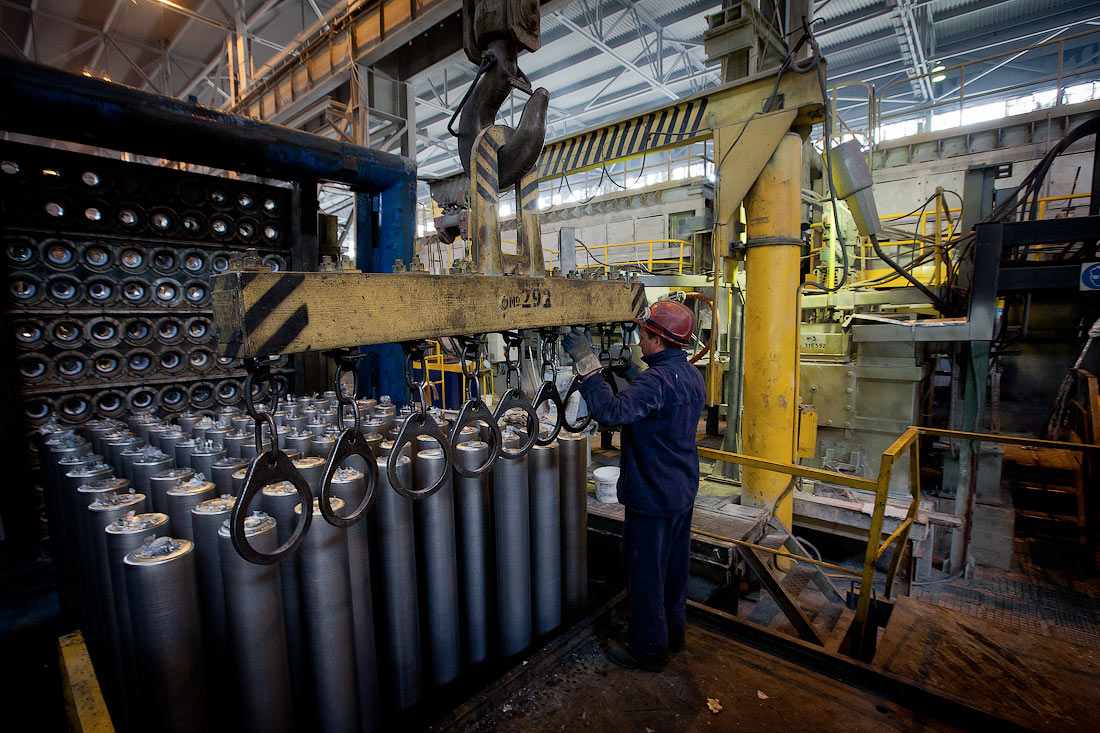
Aluminum's cost-effectiveness is enhanced by its sustainability and positive ecological effect. The steel is highly recyclable, with approximately 75% of all aluminum generated still in use today. This recyclability substantially lowers the requirement for raw product extraction, minimizing power consumption and linked greenhouse gas exhausts. Foundries play a vital role in the recycling process, utilizing sophisticated modern technologies to repurpose scrap aluminum efficiently.In addition, aluminum manufacturing from recycled material eats just about 5% of the power required for primary aluminum production. This significant power financial savings equates to lower carbon impacts, aligning with worldwide sustainability goals. In addition, aluminum's light-weight nature improves gas performance in transportation applications, additionally adding to minimized exhausts throughout its lifecycle. As industries progressively prioritize lasting techniques, aluminum from foundries emerges as a positive choice, promoting environmental stewardship while sustaining economic development.
Regularly Asked Concerns
What Are the Common Applications of Foundry-Grade Aluminum?
Common applications of foundry-grade aluminum include auto components, aerospace parts, equipment, building materials, and durable goods. Its light-weight nature, corrosion resistance, and outstanding mechanical homes make it appropriate for varied markets and manufacturing Learn More Here processes.Exactly How Is Foundry-Grade Aluminum Produced?
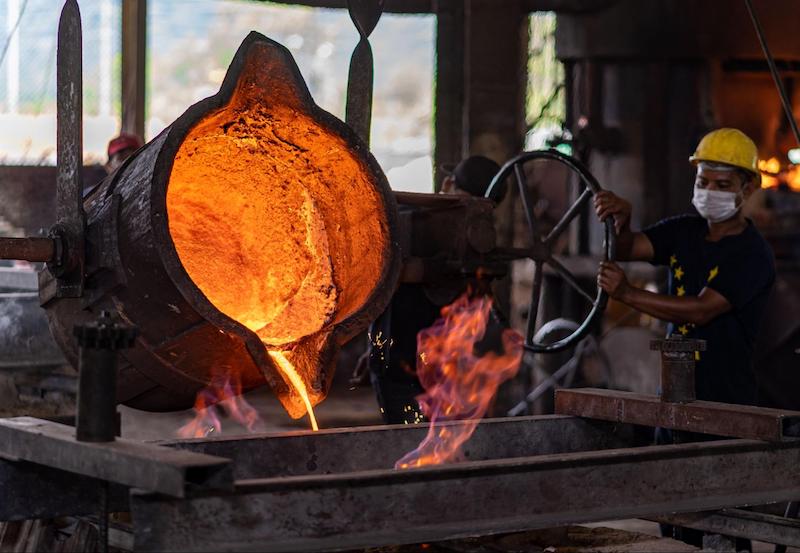
Foundry-grade aluminum is produced through melting aluminum scrap or ingots, followed by alloying with various other metals. The molten aluminum is then cast right into mold and mildews, enabling it to strengthen into numerous forms for diverse applications.What Are the Safety And Security Considerations When Working With Aluminum?
Safety considerations when functioning with aluminum include appropriate air flow to stay clear of inhaling dirt, use of personal protective tools to stop skin get in touch with, and understanding of fire dangers related to molten aluminum during handling and spreading.Exactly How Does Foundry-Grade Aluminum Contrast to Various Other Metals?
Foundry-grade aluminum offers a remarkable strength-to-weight proportion contrasted to many steels, along with superb rust resistance and thermal conductivity. Its convenience and ability to be quickly shaped make it a recommended selection in different applications.What Maintenance Is Needed for Aluminum Products?
Aluminum items need minimal maintenance, mostly including routine cleaning to stop oxidation and dirt accumulation (Aluminum Foundry). Protective news coverings may boost sturdiness, while routine evaluations can assure structural stability and resolve any type of wear or damage without delayFoundry-grade aluminum is a customized material renowned for its phenomenal homes and versatility in various applications. Leveraging light-weight buildings, aluminum improves item performance across different applications. Unlike steel, which can rust and deteriorate over time, aluminum continues to be undamaged, making it ideal for various applications, including building and construction, auto, and aquatic sectors. Aluminum production from recycled product consumes just about 5% of the power needed for key aluminum manufacturing. Foundry-grade aluminum is created via melting aluminum scrap or ingots, followed by alloying with various other steels.
Report this wiki page